Donor Egg IVF: Success Rates, Process, Benefits, Risks & Cost (Complete Guide)
Donor Egg IVF: A Complete Guide to Success, Procedure, Benefits, Risks & Cost
Donor Egg IVF has transformed fertility treatment for women who cannot conceive using their own eggs. Thanks to advances in assisted reproductive technology (ART), thousands of couples worldwide achieve successful pregnancies every year through donor egg IVF.
Whether infertility is caused by diminished ovarian reserve, premature ovarian insufficiency, advanced maternal age, genetic disorders, or repeated IVF failure, donor egg IVF offers one of the highest success rates among fertility treatments.
This comprehensive guide explains everything you need to know about donor egg IVF, including the procedure, success rates, advantages, risks, preparation, and frequently asked questions.
What Is Donor Egg IVF?
Donor Egg IVF is an assisted reproductive procedure where eggs from a healthy donor are fertilized with sperm in a laboratory. The resulting embryo is then transferred into the uterus of the intended mother (or gestational carrier).
Unlike conventional IVF, the eggs come from another woman instead of the patient.
How Does Donor Egg IVF Work?
The treatment involves several carefully coordinated steps.
| Step | Procedure |
|---|---|
| 1 | Selection and screening of egg donor |
| 2 | Hormonal synchronization between donor and recipient |
| 3 | Egg retrieval from donor |
| 4 | Fertilization using IVF or ICSI |
| 5 | Embryo culture for 3–5 days |
| 6 | Embryo transfer into recipient uterus |
| 7 | Pregnancy test after 10–14 days |
Who Needs Donor Egg IVF?
Doctors may recommend donor egg IVF for women with:
-
Premature ovarian insufficiency
-
Poor ovarian reserve
-
Menopause before expected age
-
Multiple failed IVF cycles
-
Advanced maternal age (typically >40 years)
-
Repeated poor embryo quality
-
Genetic disorders that could be passed to offspring
-
Surgical removal of ovaries
-
Cancer treatment causing ovarian failure
Who Can Become an Egg Donor?
A suitable donor is usually:
-
Between 21–32 years old
-
Healthy with normal ovarian reserve
-
Free from hereditary diseases
-
Negative for infectious diseases
-
Psychologically evaluated
-
Non-smoker
-
Healthy BMI
Most fertility centers perform extensive medical, genetic, and psychological screening before accepting egg donors.
Step-by-Step Donor Egg IVF Procedure
1. Initial Consultation
The fertility specialist reviews:
-
Medical history
-
Hormonal profile
-
Ultrasound findings
-
Semen analysis
-
Previous fertility treatments
2. Donor Selection
Donors may be:
-
Anonymous
-
Known donor
-
Relative (where legally permitted)
-
Frozen donor egg bank
Selection may include:
-
Blood group
-
Ethnicity
-
Height
-
Weight
-
Education
-
Physical characteristics
3. Ovarian Stimulation
The donor receives fertility injections for approximately 10–12 days.
Multiple eggs mature simultaneously.
4. Egg Retrieval
Egg collection is performed under ultrasound guidance.
Procedure duration:
15–20 minutes.
5. Fertilization
Collected eggs are fertilized using:
-
Conventional IVF
-
ICSI (Intracytoplasmic Sperm Injection)
6. Embryo Culture
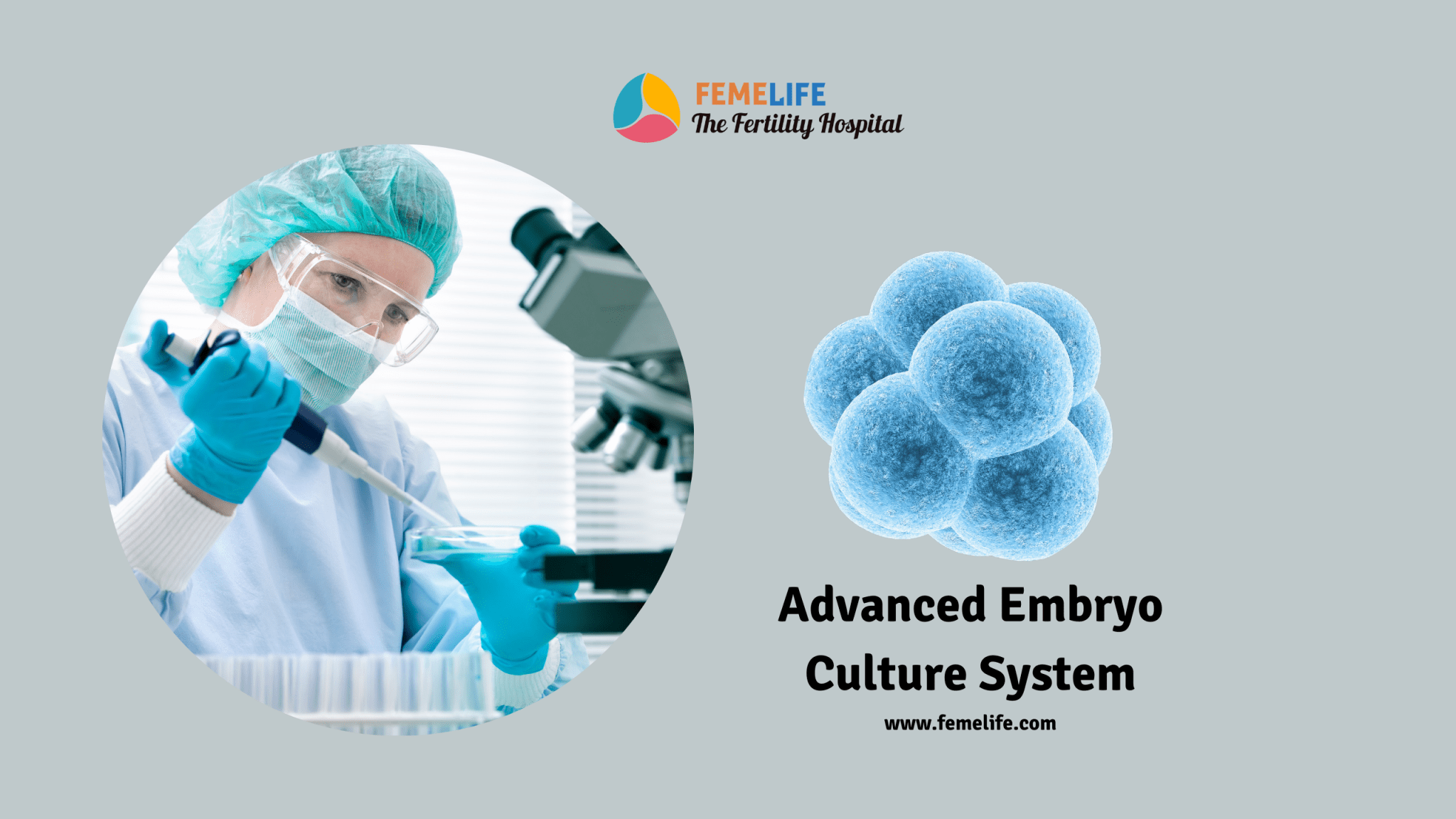
Embryos are monitored in specialized incubators.
Some clinics perform:
-
Blastocyst culture
-
Time-lapse embryo monitoring
-
Preimplantation Genetic Testing (PGT)
7. Embryo Transfer
The best-quality embryo is transferred into the recipient’s uterus.
The procedure is painless and usually takes only a few minutes.
8. Pregnancy Test
Blood beta-hCG is performed approximately 12–14 days later.
Success Rates of Donor Egg IVF
Donor egg IVF generally has higher success rates because donor eggs come from younger women.
| Age of Recipient | Approximate Live Birth Rate |
|---|---|
| Under 40 | 55–70% |
| 40–45 | 50–65% |
| Above 45 | 45–60% |
Success depends mainly on:
-
Embryo quality
-
Uterine health
-
Laboratory quality
-
Experienced fertility specialists
Benefits of Donor Egg IVF
Major advantages include:
-
Highest IVF success rates
-
Better embryo quality
-
Reduced miscarriage risk
-
Lower chromosomal abnormalities
-
Option after menopause
-
Pregnancy despite ovarian failure
-
Genetic disease prevention
-
Excellent outcomes after repeated IVF failure
Risks of Donor Egg IVF
Although considered safe, possible risks include:
| Risk | Description |
|---|---|
| Multiple pregnancy | If multiple embryos transferred |
| Pregnancy complications | Similar to routine IVF pregnancy |
| Emotional concerns | Genetic relationship considerations |
| Treatment failure | Pregnancy not achieved |
| Medication side effects | Temporary hormonal symptoms |
Preparing for Doncoming Egg IVF
Recipients are advised to:
-
Maintain healthy weight
-
Stop smoking
-
Avoid alcohol
-
Eat balanced nutrition
-
Control diabetes and thyroid disorders
-
Take folic acid
-
Exercise moderately
-
Reduce stress
-
Sleep adequately
Cost of Donor Egg IVF
Costs vary according to:
-
Country
-
Fertility center
-
Donor compensation
-
Laboratory techniques
-
Medication
-
Genetic testing
Patients should discuss complete treatment costs before beginning therapy.
Is the Baby Genetically Related to the Mother?
The baby receives:
-
Genetic material from the egg donor
-
Genetic material from the father (or sperm donor)
However, the intended mother carries the pregnancy and provides the intrauterine environment, which also influences fetal development through epigenetic mechanisms.
Emotional Aspects of Donor Egg IVF
Many couples benefit from:
-
Fertility counseling
-
Psychological support
-
Support groups
-
Open discussions with healthcare providers
Emotional preparation is as important as medical treatment.
Can Frozen Donor Eggs Be Used?
Yes.
Many IVF centers use frozen donor eggs with excellent success rates due to improved vitrification technology.
Advantages include:
-
Immediate availability
-
Lower synchronization requirements
-
Flexible scheduling
Is Donor Egg IVF Safe?
Modern donor egg IVF is considered very safe when performed in experienced fertility centers using established protocols, comprehensive donor screening, and high-quality laboratory standards.
Conclusion
Donor Egg IVF offers hope to women facing infertility due to age, ovarian insufficiency, genetic conditions, or repeated IVF failures. With excellent success rates, advanced laboratory techniques, and individualized treatment plans, donor egg IVF has become one of the most successful fertility treatments available. Consulting an experienced reproductive medicine specialist can help determine whether this option is appropriate for your fertility journey.
Internal Links (Femelife.com)
Use these contextual internal links within the article:
| Anchor Text | Suggested Internal Page |
|---|---|
| IVF Treatment | https://femelife.com/ivf-treatment/ |
| Fertility Specialist | https://femelife.com/doctors/ |
| Infertility Treatment | https://femelife.com/infertility-treatment/ |
| Female Infertility | https://femelife.com/female-infertility/ |
| Male Infertility | https://femelife.com/male-infertility/ |
| IVF Success Rates | https://femelife.com/ivf-success-rate/ |
| Fertility Clinic | https://femelife.com/ |
| Book Appointment | https://femelife.com/contact-us/ |
Authoritative Outbound Links
Include links to trusted medical resources:
| Organization | URL |
|---|---|
| American Society for Reproductive Medicine (ASRM) | https://www.asrm.org |
| European Society of Human Reproduction and Embryology (ESHRE) | https://www.eshre.eu |
| Centers for Disease Control and Prevention (CDC) – ART | https://www.cdc.gov/art |
| World Health Organization (WHO) – Infertility | https://www.who.int |
| MedlinePlus – IVF | https://medlineplus.gov |
| NIH – National Library of Medicine | https://pubmed.ncbi.nlm.nih.gov |
-
Donor Egg IVF Success Rate
-
Egg Donation IVF
-
IVF with Donor Eggs
-
Egg Donor Treatment
-
Donor Egg Pregnancy
-
Frozen Donor Eggs
-
IVF After Menopause
-
Advanced Maternal Age IVF
-
Fertility Treatment
-
Assisted Reproductive Technology (ART)
-
Egg Donation Procedure
-
Best Fertility Clinic for Donor Egg IVF
Focus Keyphrase: Donor Egg IVF
SEO Title: Donor Egg IVF: Success Rates, Procedure, Benefits, Risks & Cost Explained
Meta Description (155 characters): Learn everything about Donor Egg IVF, including procedure, success rates, eligibility, risks, costs, and benefits. Expert fertility guide for hopeful parents.
URL Slug: donor-egg-ivf
Donor Egg IVF
Situations in which egg donor IVF may be required or recommended.
Donor Egg IVF: A Hopeful Path to Parenthood
Donor Egg IVF
Donor Egg IVF is one of the most successful fertility treatments available for women who are unable to conceive using their own eggs. This advanced form of In Vitro Fertilization (IVF) offers renewed hope to couples facing infertility due to diminished ovarian reserve, premature ovarian insufficiency, advanced maternal age, repeated IVF failures, or inherited genetic disorders. At Femelife Fertility, patients receive personalized treatment plans using the latest reproductive technologies to maximize their chances of a successful pregnancy. Learn more about IVF Treatment at https://www.femelife.com/ivf-treatment/.
During Donor Egg IVF, eggs are retrieved from a carefully screened, healthy donor and fertilized with the partner’s or donor’s sperm in a state-of-the-art laboratory. The resulting embryo is then transferred into the recipient’s uterus, allowing her to experience pregnancy and childbirth. If you’re new to fertility treatments, read the comprehensive guide on Understanding In Vitro Fertilisation (IVF) at https://www.femelife.com/understanding-in-vitro-fertilisation-ivf-a-comprehensive-guide/.
Donor Egg IVF is often recommended for women who have poor egg quality, early menopause, or multiple unsuccessful IVF cycles. It can also help women carrying genetic conditions avoid passing inherited diseases to their children. Couples experiencing fertility challenges should first understand the causes of infertility by exploring Infertility Treatment resources at https://www.femelife.com/category/infertility/.
One of the biggest advantages of Donor Egg IVF is its high success rate. Since donor eggs usually come from young, healthy women, the quality of embryos is often significantly better than embryos created using poor-quality eggs. Patients interested in expected outcomes can learn more by reading IVF Success Rate in India at https://www.femelife.com/ivf-success-rate-in-india-a-guide-for-fertility-treatment/.
In some cases, specialists may recommend combining Donor Egg IVF with ICSI (Intracytoplasmic Sperm Injection) when male factor infertility is present or previous fertilization attempts have failed. This technique improves fertilization rates by injecting a single healthy sperm directly into the egg. Read more about ICSI Treatment at https://www.femelife.com/category/icsi-treatment/.
Choosing the right fertility center plays a crucial role in treatment success. At Femelife Fertility, experienced fertility specialists, modern embryology laboratories, ethical donor screening, and patient-centered care ensure every couple receives individualized treatment. Whether you are considering your first IVF cycle or exploring donor egg options after previous failures, the experienced team at Femelife is committed to guiding you throughout your fertility journey. Learn more about the clinic by visiting https://www.femelife.com/about-us/.
If you are considering Donor Egg IVF, scheduling an early consultation with a fertility specialist is the best way to understand your options, evaluate your reproductive health, and develop a customized treatment plan. You can easily Book a Fertility Consultation at https://www.femelife.com/contact-us/ and take the first step toward achieving your dream of parenthood.
With advanced reproductive technology, experienced fertility experts, and compassionate care, Donor Egg IVF continues to offer hope to thousands of couples worldwide. Early diagnosis, appropriate treatment, and expert guidance can significantly improve the chances of a healthy pregnancy and successful parenthood.
- Age related infertility (most often for women age 40 or older)
- Genetic disease risk on female partner’s side
- Low ovarian reserves (indicated by very high FSH levels or a low antral follicle count)
- Primary ovarian insufficiency (also known as premature ovarian failure)
- Post-cancer treatment (if the ovaries or eggs were damaged or removed)
- Repeated canceled IVF treatment due to poor or low ovarian response
- Unexplained repeated IVF failure
- Woman born without her ovaries due to a congenital anomaly