ICSI Treatment – Intracytoplasmic Sperm Injection
Specialised fertilisation as part of IVF treatment
Intracytoplasmic sperm injection (ICSI) is an assisted reproductive technique in which a single sperm is injected directly into a mature egg in the laboratory. It may be considered for certain causes of infertility, particularly when sperm-related fertilisation difficulties are present.
Understanding the procedure, its potential benefits, limitations and risks can help you discuss suitable treatment options with your fertility specialist.
Book a Consultation Explore the Process
What Is ICSI Treatment?
ICSI stands for Intracytoplasmic Sperm Injection. It is a laboratory procedure performed during an IVF cycle. An embryologist uses specialised equipment to inject one selected sperm into the cytoplasm of a mature egg.
In conventional IVF, eggs and sperm are placed together in a laboratory dish and fertilisation occurs when a sperm penetrates the egg. ICSI bypasses some of the steps involved in sperm binding to and entering the egg.
ICSI helps achieve fertilisation in selected circumstances, but it does not guarantee embryo development, implantation, pregnancy or live birth.
Who May Be Considered for ICSI?
Your fertility specialist may discuss ICSI when investigations or previous treatment suggest a specific fertilisation problem.
Male-factor infertility
- Very low sperm count
- Reduced sperm motility
- Abnormal sperm morphology in an appropriate clinical context
- Obstructive azoospermia or selected cases requiring surgical sperm retrieval
Previous fertilisation difficulties
- Previous IVF cycle with no fertilisation or unexpectedly low fertilisation
- Specific concerns about sperm–egg interaction
- Selected situations involving previously frozen eggs or sperm
Individual clinical circumstances
- Use of surgically retrieved sperm
- Selected cases involving in-vitro matured eggs
- Other circumstances where the clinical team identifies a specific indication
ICSI Treatment Process: Step by Step
ICSI generally follows the main stages of IVF. The exact protocol, medication schedule and timing depend on your clinical assessment.
Fertility assessment
The team reviews your medical history, ovarian reserve, relevant hormone tests, ultrasound findings and semen analysis. Additional tests may be advised when indicated.
Ovarian stimulation
Fertility medicines may be prescribed to stimulate the ovaries to develop multiple follicles. Ultrasound scans and, when needed, blood tests help monitor the response.
Egg retrieval
When the follicles are ready, egg collection is performed using an appropriate procedure, commonly under sedation or anaesthesia.
Sperm preparation
A semen sample is collected or previously stored or surgically retrieved sperm may be used when appropriate. The laboratory prepares sperm for the procedure.
ICSI in the laboratory
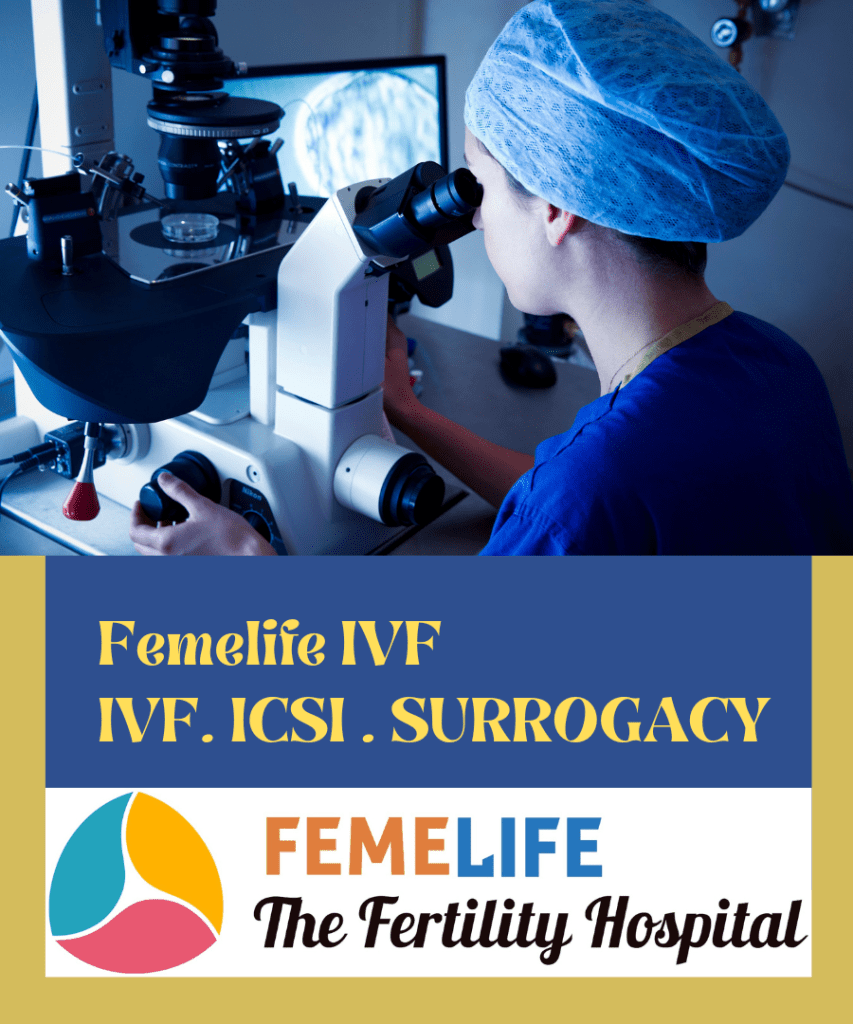
An embryologist identifies mature eggs and injects a single selected sperm into each egg chosen for ICSI, using a fine micropipette under specialised microscopy.
Fertilisation assessment
The laboratory checks the eggs after injection to assess whether normal fertilisation has occurred. Not every injected egg will fertilise or develop into an embryo.
Embryo culture
Fertilised eggs are cultured in the laboratory and monitored for development. The embryology team provides updates according to the clinic’s protocol.
Embryo transfer or freezing
Depending on embryo development and the treatment plan, an embryo may be transferred to the uterus or suitable embryos may be frozen for future use.
Pregnancy test and follow-up
Your clinic will advise when to take the pregnancy test and arrange follow-up care. Continue prescribed medicines as instructed by your treating team.
Conventional IVF vs ICSI
| Feature | Conventional IVF | ICSI |
|---|---|---|
| Fertilisation method | Eggs and prepared sperm are placed together in a dish. | A single sperm is injected directly into a mature egg. |
| Laboratory procedure | Sperm must bind to and penetrate the egg. | The injection bypasses sperm penetration of the egg’s outer layers. |
| Common consideration | May be suitable when sperm parameters and clinical circumstances are appropriate. | May be considered for significant sperm-related or previous fertilisation problems. |
| Guarantee of pregnancy | No. | No. |
Potential Benefits of ICSI
- Can help overcome certain sperm-related fertilisation difficulties.
- May be useful when only a limited number of sperm are available, including selected surgical sperm retrieval cases.
- May be considered after previous conventional IVF fertilisation failure or very low fertilisation.
- Allows the embryologist to inject an individual sperm into each mature egg selected for ICSI.
Remember: Successful fertilisation is only one stage of fertility treatment. Embryo development, implantation, pregnancy and live birth depend on multiple factors.
ICSI Success Rates
ICSI can achieve fertilisation in many cases, but there is no single success rate that applies to every patient or clinic. Fertilisation rates and pregnancy outcomes are different measures.
Factors that may influence the outcome include:
- Age of the woman and ovarian reserve
- Number and maturity of eggs collected
- Sperm quality and the underlying cause of infertility
- Embryo development and relevant uterine factors
- Previous fertility treatment history and the treatment protocol
Ask your fertility specialist for clinic-specific and age-appropriate outcome information, and clarify whether quoted figures refer to fertilisation, clinical pregnancy or live birth.
Risks and Limitations of ICSI
ICSI is an established laboratory technique, but it has limitations and potential risks. Your treating team should discuss the risks relevant to your circumstances before treatment.
Egg damage
The injection procedure can damage some eggs, making them unsuitable for further treatment.
Fertilisation may not occur
Some injected eggs may fail to fertilise, and some embryos may not continue developing.
Genetic considerations
Some causes of male infertility may have a genetic basis and could be passed to a child. Genetic counselling or testing may be appropriate in selected cases.
Other IVF-related risks
Because ICSI is performed as part of IVF, patients may also experience risks associated with ovarian stimulation, egg retrieval, anaesthesia, multiple pregnancy where more than one embryo is transferred, miscarriage and ectopic pregnancy. Your specialist can explain individual risks and ways they may be managed.
Research has reported associations between ICSI and certain uncommon outcomes in children, but it can be difficult to separate effects of the procedure from those of underlying infertility and other factors. Discuss any specific concerns with your clinician.
How to Prepare for ICSI Treatment
- Attend the recommended fertility consultation and complete the investigations advised for both partners.
- Share details of medical conditions, previous fertility treatment, medicines and relevant family history.
- Follow the prescribed medication schedule and attend monitoring appointments.
- Ask the clinic for instructions about semen sample collection, abstinence interval and any sample storage arrangements.
- Discuss embryo transfer, freezing, genetic testing where indicated, costs and consent before proceeding.
- Seek advice about smoking, alcohol, nutrition, supplements and other lifestyle factors relevant to your treatment.
Frequently Asked Questions About ICSI
1. What does ICSI stand for?
ICSI stands for Intracytoplasmic Sperm Injection, a laboratory technique in which a single sperm is injected directly into a mature egg.
2. Is ICSI different from IVF?
ICSI is a fertilisation technique performed as part of IVF. In conventional IVF, sperm and eggs are placed together; in ICSI, an embryologist injects one sperm into the egg.
3. Who may need ICSI?
It may be considered for significant sperm-related infertility, surgically retrieved sperm, previous fertilisation failure or other specific clinical indications identified by the fertility team.
4. Does ICSI guarantee fertilisation?
No. Some injected eggs may not fertilise, and fertilised eggs may not develop into embryos suitable for transfer.
5. Does ICSI guarantee pregnancy?
No. Fertilisation is only one step. Pregnancy and live birth depend on several factors, including age, egg and sperm characteristics, embryo development and uterine factors.
6. Is egg collection required for ICSI?
Yes. ICSI is usually performed on mature eggs collected during an IVF cycle.
7. Is ICSI painful?
The injection is performed on the egg in the laboratory, not inside the patient’s body. Egg collection may involve sedation or anaesthesia, and the clinic will explain what to expect.
8. How long does ICSI treatment take?
The timeline is similar to an IVF cycle, but it varies with the stimulation protocol, monitoring, embryo development and whether a fresh or frozen embryo transfer is planned.
9. Can ICSI be used with surgically retrieved sperm?
Yes, in selected cases. A specialist may recommend sperm retrieval followed by ICSI when sperm are not present in the ejaculate or cannot be obtained conventionally.
10. Is ICSI suitable for everyone undergoing IVF?
No. ICSI is not routinely necessary for every IVF patient. Your fertility specialist should explain the indication and whether conventional IVF is also an appropriate option.
11. Are there genetic risks with ICSI?
Some causes of male infertility are genetic and may be inherited. Your clinician may recommend genetic counselling or testing when relevant. The risks and uncertainties should be discussed individually.
12. What happens after ICSI fertilisation?
Embryos are cultured and monitored in the laboratory. Depending on their development and the treatment plan, an embryo may be transferred or suitable embryos may be frozen.
Considering ICSI Treatment?
Every fertility journey is different. A consultation can help you understand your investigations, available treatment options and whether ICSI may be appropriate for your circumstances.
Speak with the Femelife fertility care team to discuss your next steps.
Book a Consultation Explore IVF TreatmentFurther Reading and Medical References